Home /EPCs and New Regulations: What Property Owners Need to Know
March 3, 2026
Alicia Grymel
EPCs and New Regulations: What Property Owners Need to Know
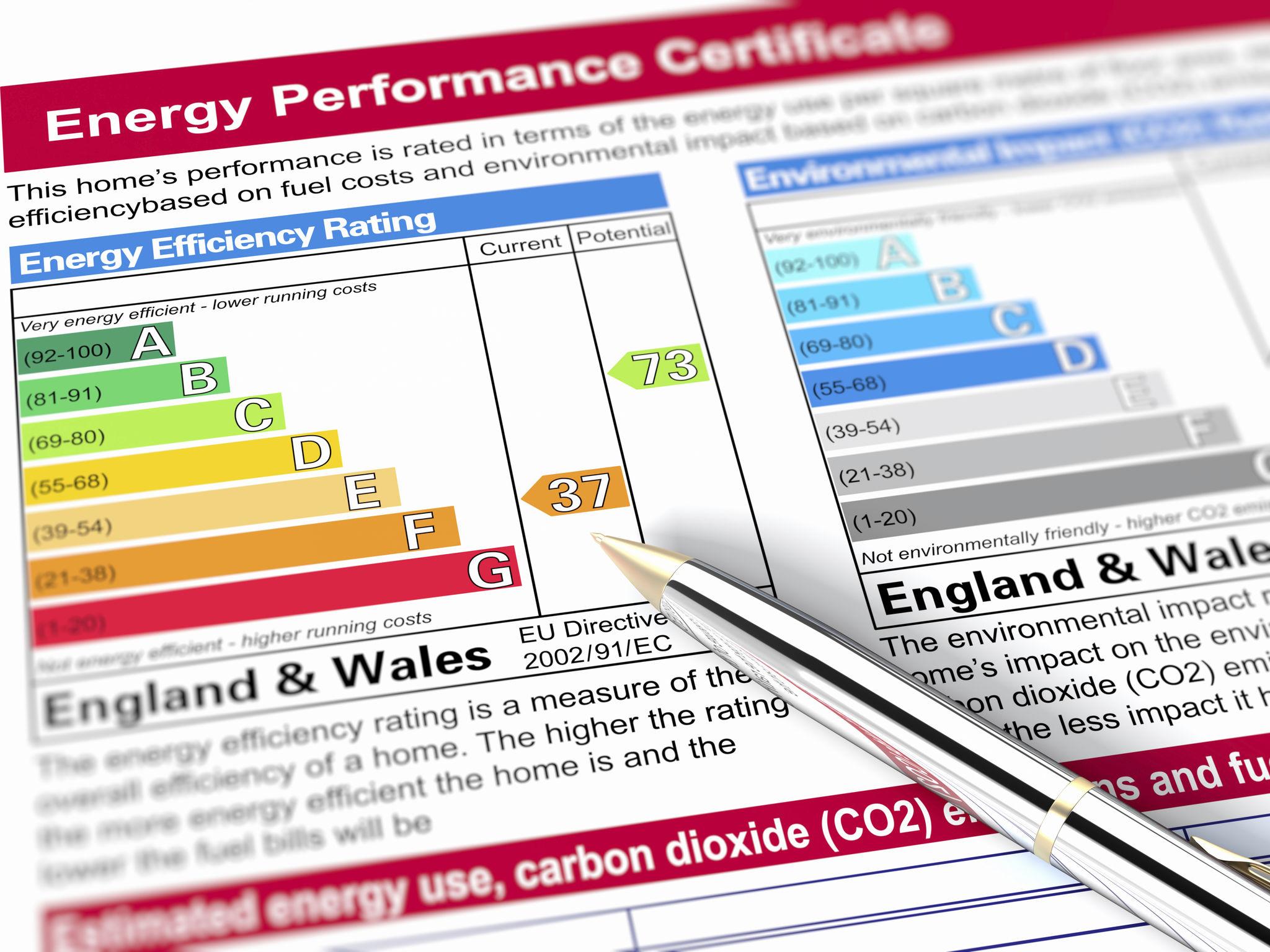
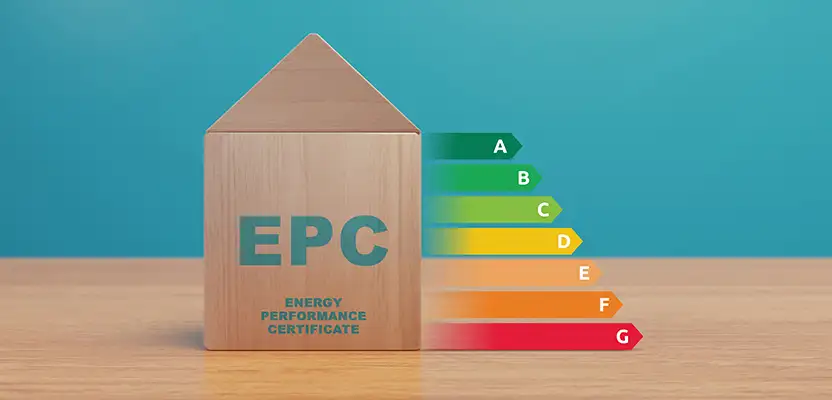
Energy Performance Certificates have become an essential part of preparing a property for sale or rent, but recent and upcoming regulatory changes have made their role more significant than ever. What was once seen as a formality is now increasingly tied to how a property is marketed, perceived, and, in some cases, whether it can be let at all. An EPC provides a clear rating of a property’s energy efficiency, ranging from A to G, along with recommendations for improvement, and while this has long been a requirement in the UK, the direction of travel is shifting towards higher minimum standards, particularly within the rental market where proposed changes aim to raise the minimum EPC rating over time.
For sellers and landlords alike, this shift is beginning to influence decision making. Energy efficiency is becoming a more visible factor, not only in terms of running costs but also in how future proof a property feels. A stronger EPC rating can offer reassurance, while a lower rating may raise questions even before a viewing takes place. As a result, there is now a closer relationship between compliance and presentation, where a property is judged not only on how it looks, but on how efficiently it performs.
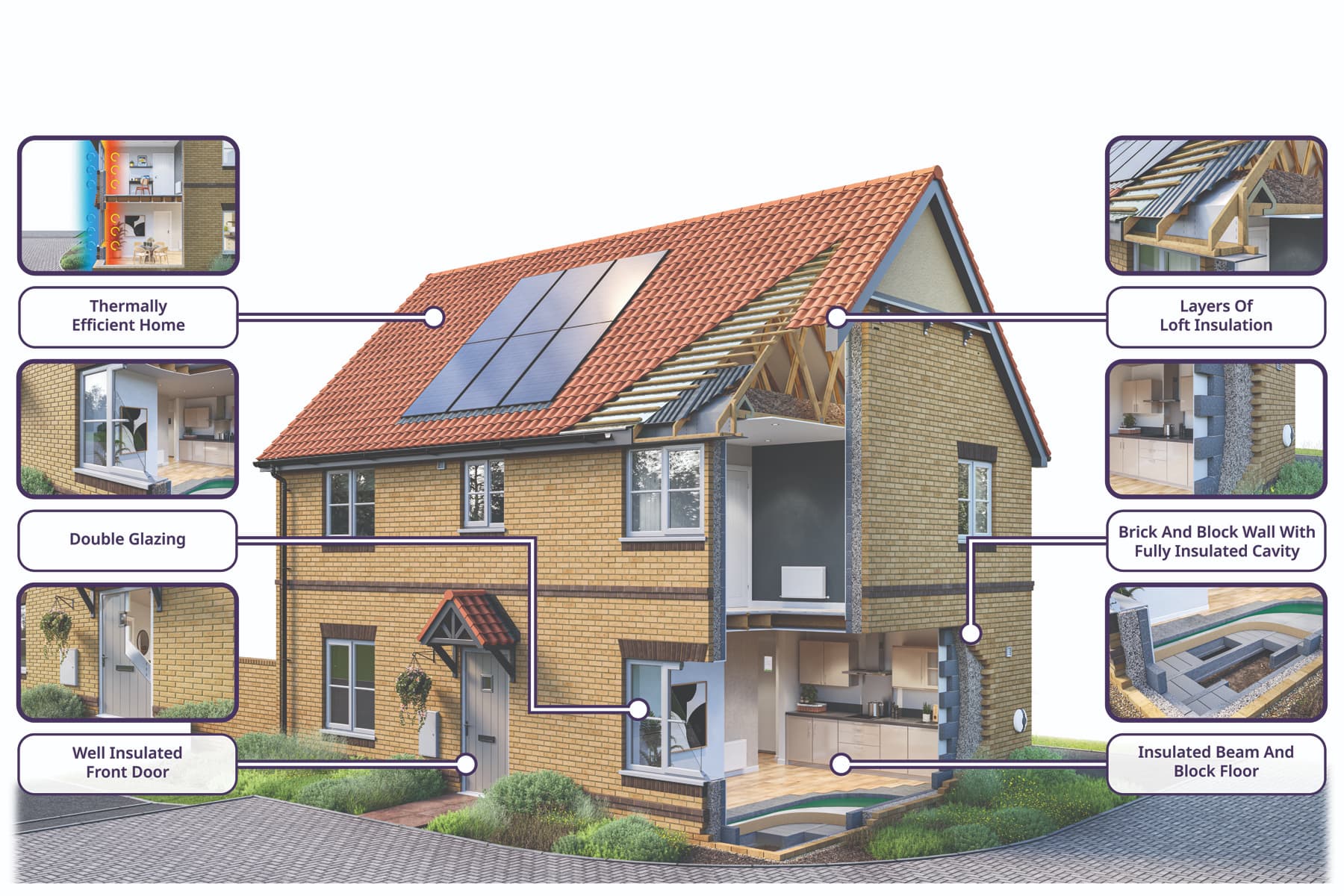
Preparing for an EPC is generally straightforward, but small details can influence the outcome. Ensuring access to all areas, including lofts or extensions where applicable, allows for a more accurate assessment, while making key features such as insulation, glazing, and heating systems visible or documented can support the process. In some cases, simple improvements such as energy efficient lighting, improved insulation, or reducing draughts can contribute to a stronger rating, helping position the property more favourably within the market.
There is also a practical advantage in combining EPC assessments with other marketing services. Coordinating photography, floorplans, and EPCs within a single visit creates a more efficient process, reducing disruption while ensuring everything is prepared at the same stage. This is particularly useful when timelines are tight, allowing a property to be brought to market quickly and with a consistent level of presentation.
As regulations continue to evolve, EPCs are becoming less of a standalone requirement and more of a core part of property marketing. They provide context, reassurance, and increasingly a point of comparison between listings, and understanding this shift allows property owners and agents to approach the process with greater clarity, ensuring that both compliance and presentation are aligned from the outset.